
Share:
What Are the Best Foot Support Products for Daily Comfort?
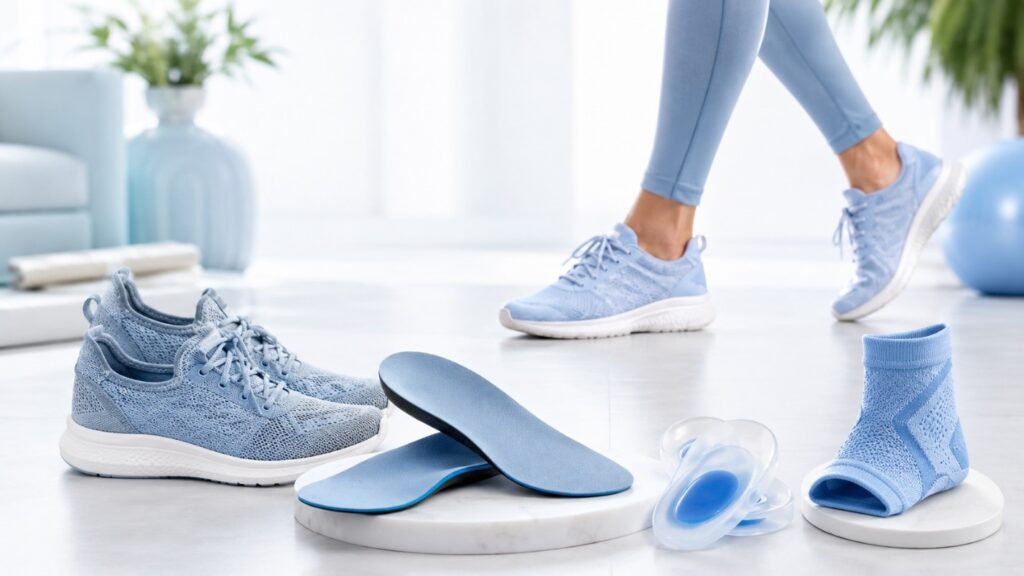
Your feet do more work than almost any other part of your body, yet they are usually the last thing people think about when daily discomfort starts. You may blame your long workday, your busy routine, your age, your shoes, or even the weather, but very often the real issue starts with poor support under your feet. The best foot support products for daily comfort are usually orthotic insoles, arch support insoles, supportive walking shoes, heel cups, and comfort-focused sandals or slides like Archies. For people who want better cushioning and support in everyday shoes, heartnsoles, Blueline Insoles can be a smart option, as they are designed to promote alignment, absorb shock, and help tired feet feel more comfortable during daily wear.
Why Daily Foot Support Matters More Than You Think
Daily foot support matters because your feet are not just two flat surfaces touching the ground. They are complex structures made to absorb shock, balance your body, and help you move smoothly from one step to the next. When your shoes do not support your arches, heels, or natural foot shape, your feet may start compensating in small ways. At first, that compensation may feel like simple tiredness. Later, it can show up as heel discomfort, arch pain, knee stress, lower back tension, or a general feeling that walking has become more tiring than it should be. This is why arch support footwear and well-designed orthotic insoles are not only for people with diagnosed foot conditions. They can be part of a smarter daily comfort routine.
A lot of people make the mistake of waiting until pain becomes serious before they change anything. They keep wearing flat sandals, worn-out sneakers, thin work shoes, or unsupportive slippers because those products feel familiar. But familiar does not always mean healthy or comfortable. If your feet feel sore at the end of the day, if your heels hurt when you get out of bed, or if your shoes feel flat and lifeless, your body may be asking for more support. The right product can act like a small daily upgrade. It may not solve every foot issue, but it can make your everyday walking, standing, and moving feel easier.
Foot Pain Is More Common Than People Admit
Foot discomfort is one of those problems people often normalize. Someone may say, “My feet always hurt after work,” as if that is just part of being busy. Another person may avoid long walks because their arches ache, but they never connect that discomfort to their shoes or lack of support. The truth is that daily foot pain can quietly reduce how much you move, how confidently you walk, and how much energy you have at the end of the day. When your feet hurt, even simple routines like grocery shopping, school pickup, clinic work, or standing at a counter can feel heavier than they should.
This is where foot support insoles become useful for many people. Instead of replacing every pair of shoes you own, you can often improve comfort by adding a supportive insole to the shoes you already wear. A good insole can help cushion impacts, support the arch, stabilize the heel, and reduce pressure on sensitive parts of the foot. Products like heartnsoles Blueline Insoles are especially relevant here because they are made for people who want daily comfort without moving straight into custom clinical orthotics. They give users a practical middle ground between flat factory shoe liners and expensive custom devices. For everyday users, that balance can make foot support feel accessible, simple, and easier to maintain.
Comfort Starts with Alignment, Not Just Cushioning
A soft shoe can feel amazing when you first step into it, but if it has no structure, your feet may still feel tired later. Cushioning is like a pillow, while support is like a good chair. A pillow may feel cozy, but if your chair has no back support, you will still feel uncomfortable after sitting for hours. Feet work the same way. Cushioning helps soften impact, but alignment helps your foot sit in a better position while you stand and walk. That is why the best daily comfort products usually combine both support and cushioning.
This is also why orthotic insoles are different from basic foam inserts. A simple foam liner may add softness, but a true support-focused insole is designed to guide the foot, support the arch, and improve how pressure is distributed across the sole. heartnsoles Blueline Insoles, for example, are designed with a cushion foam feel while still focusing on alignment and support. That makes them useful for people who want comfort that does more than simply feel squishy. The same idea applies to Archies footwear. Instead of acting like standard flat flip-flops, Archies are built as arch support footwear, which makes them more supportive for casual wear, around-the-house use, and recovery-style comfort after a long day in shoes.
Best Foot Support Products for Everyday Comfort
The best foot support product depends on where and when your discomfort happens. If your feet ache inside your work shoes, foot support insoles may be the best place to start. If you feel pain when walking barefoot at home, Archies flip-flops or slides may be a better daily comfort upgrade. If your heels feel sore from impact, heel cups may help. If you stand all day on hard floors, supportive walking shoes and shock-absorbing orthotic insoles may work better together than either one alone. The key is to match the product to your real routine rather than buying something just because it sounds popular.
A smart daily comfort setup often includes more than one product. For example, someone may use heartnsoles Blueline Insoles inside work shoes, supportive sneakers for errands, and Archies at home instead of walking barefoot on tile or hardwood floors. That combination provides support at different times of the day. It also reduces the common problem of wearing supportive shoes outside but switching to completely flat slippers indoors. When your feet need support, they usually need it consistently. You do not have to overcomplicate the process, but you should think about your full day from morning steps to evening downtime.
Orthotic Insoles for Shoes
Orthotic insoles are among the most practical foot-support products because they fit inside the shoes you already wear. They are especially helpful for people who have decent shoes but still feel they need more arch support, heel stability, or cushioning. Many shoes come with thin, removable liners that are not designed for serious support. They may look like insoles, but they often flatten quickly and offer little pressure relief. Replacing those factory liners with better-support insoles can change how your shoes feel almost immediately.
Heartnsoles Blueline Insoles are a strong example of this category because they are designed to provide orthotic-level comfort with cushioning, alignment support, and shock absorption. They can be useful for people who stand for long hours, walk often, or want a more supportive feel inside everyday footwear. A good insole should not feel painfully hard, but it also should not collapse completely under your weight. The goal is balanced support: enough structure to guide the foot, enough cushion to absorb impact, and enough comfort to wear consistently. If your shoes feel flat, your arches feel unsupported, or your feet feel tired after normal daily activity, orthotic-style insoles may be the easiest first upgrade.
Arch-Support Flip-Flops and Slides
Many people think support only matters inside closed shoes, but what you wear at home matters too. Walking barefoot on hard floors may feel natural, but it can be uncomfortable for people with sensitive heels, tired arches, or plantar fascia irritation. Standard flat flip-flops are not much better, as they often offer little structure, minimal arch support, and poor stability. This is where Archies can be a very helpful option. Archies are designed as arch-support footwear, offering a more supportive alternative to ordinary flat sandals.
For daily comfort, Archies can be especially useful around the house, after work, during casual errands, or when your feet need a break from closed shoes without losing support. They can also be helpful for people who already wear orthotics in their shoes and do not want to go completely unsupported once they take those shoes off. That indoor support gap is real. You may spend eight hours in supportive work shoes, then undo that comfort by walking barefoot for several hours on hard floors at night. Archies helps bridge that gap by providing your feet with support in a more breathable, casual format. For many users, that makes daily comfort feel more natural and easier to maintain.
Cushioned Heel Cups and Pads
Heel cups and pads are simple products, but they can be useful when the main problem is heel impact. They are smaller than full-length orthotic insoles, and they do not support the entire arch in the same way, but they can add cushioning directly under the heel. This may help people who experience soreness when the heel strikes the ground, especially during walking, prolonged standing, or the first steps after rest. Heel cups can also be useful in shoes where a full insole feels too bulky.
That said, heel cups are not always the best solution for full-foot discomfort. If your arch collapses, your foot rolls inward, or your whole foot feels tired, full-length foot support insoles may offer better overall comfort. Think of heel cups as a targeted cushion, not a complete support system. They work best when the problem is clearly focused on heel pressure. If your discomfort spreads across the arch, the ball of the foot, the knees, or the lower back, you may need more structured support. For many people, a full supportive insole like heartnsoles Blueline Insoles may provide a broader comfort solution because it addresses cushioning, alignment, and pressure distribution all at once.
Supportive Walking Shoes
Supportive walking shoes are another important part of daily comfort. Even the best insole may not perform well inside a shoe that is too tight, too worn out, or too unstable. A good walking shoe should have enough room in the toe box, a stable heel area, a sole that does not twist too easily, and enough cushioning to handle repeated steps. If your shoe folds in the middle like a piece of cardboard, it may not provide the structure your feet need for long days.
Supportive shoes and orthotic insoles often work best as a team. The shoe provides the outer structure, while the insole improves internal support and pressure control. This combination can be especially helpful for people who stand at work, walk on hard surfaces, or need comfort that lasts beyond the first hour. If you already own walking shoes that fit well but feel a little flat inside, adding heartnsoles Blueline Insoles may be more practical than buying a completely new pair. On the other hand, if your shoes are old, unevenly worn, or too narrow, replacing the shoes may be just as important as adding insoles. Daily comfort starts with the full system, not just one product.
Compression Socks for Long Standing Days
Compression socks are not the same as arch support footwear or insoles, but they can still support daily comfort in a different way. Some people not only feel foot pain, but they also experience heaviness, swelling, or tiredness in the feet and lower legs after standing or sitting for long periods. For these users, light or moderate compression socks may help the legs feel more supported during work, travel, or long errands. They are especially popular among people who stand at counters, work in clinics, teach, travel often, or spend long hours on their feet.
Compression socks should not replace proper shoes or foot support insoles. Instead, they can be used alongside supportive footwear. For example, someone may wear compression socks with supportive walking shoes and orthotic insoles during a long shift, then switch to Archies at home for casual arch support. That kind of layered approach makes sense because different products solve different comfort problems. Insoles support foot alignment and cushioning. Arch-support slides reduce barefoot strain. Compression socks support the lower legs. Used wisely, these products can create a more comfortable daily routine from morning to night.
How to Choose the Right Product for Your Foot Type
Choosing the right foot support product begins with understanding your own feet. Not every person needs the same type of support. Someone with flat feet may need stronger arch structure, while someone with high arches may need more cushioning and shock absorption. Someone with heel pain may benefit from heel support, while someone who walks barefoot at home may need arch support footwear like Archies. The goal is not to buy every product available. The goal is to choose the product that matches your daily pain pattern, shoe style, and activity level.
A good way to start is by paying attention to when discomfort appears. Do your feet hurt more in the morning? Do they ache after work? Do your arches feel tired during errands? Do your heels feel sore after standing on hard floors? Do your shoes feel comfortable at first, but painful later? These questions help narrow the product choice. If discomfort happens mainly inside shoes, heartnsoles Blueline Insoles or another supportive insole may be a good fit. If you experience discomfort when you are barefoot or in flat sandals, Archies may make more sense. If the pain is persistent, sharp, or worsening, it is better to seek professional guidance rather than relying solely on product changes.
Flat Feet and Overpronation
Flat feet can be completely normal for some people, but they may also contribute to tired arches, inward foot rolling, or discomfort during long days of standing. Overpronation happens when the foot rolls inward more than ideal while walking. This can place extra stress on the arch, ankle, knee, and sometimes the lower back. For this foot type, support matters because the foot may need help staying in a more stable position. A soft, flat insert is usually not enough. The better choice is often a structured orthotic insole that supports the arch and helps improve pressure distribution.
Foot support insoles with a stable arch area can be especially helpful for flat feet because they provide the structure that many everyday shoes lack. heartnsoles Blueline Insoles may be relevant for users seeking cushioning and alignment support, especially when standing or walking for long periods. Around the house, Archies can also better support flat feet than standard flip-flops because they are designed with built-in arch support. The goal is consistency. If your feet need arch support during the workday, they likely still need support at home, during casual errands, and during recovery time.
High Arches and Shock Absorption
High arches create a different kind of comfort challenge. Instead of the foot flattening too much, the arch may remain high, placing more pressure on the heel and ball of the foot. This can make hard floors feel especially harsh. People with high arches may describe their discomfort as impact pain, pressure under the forefoot, or general foot fatigue after walking. For this foot type, cushioning becomes very important, but it should still be paired with supportive contouring.
A good insole for high arches should help fill the space under the arch without feeling like a hard lump. It should also absorb shock and reduce pressure on the heel and forefoot. heartnsoles Blueline Insoles are worth mentioning here because they are designed with cushioned foam and shock-absorbing materials, which appeal to people who want comfort during long days. Supportive shoes also matter because high-arched feet may not absorb impact as naturally as more flexible feet. If you pair supportive walking shoes with quality orthotic insoles, you can create a more forgiving platform for everyday movement. For casual wear, Archies may also help by offering more structure than flat sandals.
Plantar Fasciitis and Morning Heel Pain
Plantar fasciitis is one of the most common reasons people seek orthotic insoles, heel support, and arch-support footwear. It often feels like heel pain that is worse during the first steps in the morning or after sitting for a while. The discomfort may ease as the foot warms up, but it can return after long standing, walking, or wearing unsupportive shoes. For many people, support becomes a daily priority because walking barefoot and wearing flat footwear can make the feet feel more strained.
In this situation, foot support insoles can be useful because they help support the arch and reduce pressure on sensitive areas. Heartnsoles Blueline Insoles may be a practical option for people who want supportive cushioning in their shoes, especially when standing or walking is part of their daily routine. Archies can also be helpful outside closed shoes, as they provide arch support during casual home use rather than leaving the foot unsupported on hard floors. Still, it is important to be realistic. Foot support products may help improve comfort, but persistent heel pain should be evaluated by a healthcare professional. A product can support your routine, but it should not replace proper care when pain continues.
Workdays, Travel, and Hard Floors
Long workdays and hard floors can turn small foot problems into daily frustration. Nurses, teachers, retail workers, warehouse staff, salon professionals, restaurant workers, and frequent travelers often spend hours standing or walking on unforgiving surfaces. Hard floors do not absorb much impact, so your feet and joints have to do more of the work. If your shoes lack support, every step can become a small stress point repeated hundreds or thousands of times throughout the day.
For these routines, the best support often comes from combining products. Supportive walking shoes provide the base. heartnsoles Blueline Insoles or similar orthotic insoles can improve internal cushioning and alignment. Compression socks may reduce the heavy-leg feeling during long shifts. Archies can give the feet a supportive break at home after work. This kind of daily system is much better than relying on one pair of soft shoes and hoping for the best. When your routine is demanding, your foot support should be just as intentional as your work tools, desk setup, or mattress. Comfort is not a luxury when your feet are carrying you through the whole day.
Product Comparison Table: Which Support Fits Your Routine?
| Foot Support Product | Best For | Main Comfort Benefit | Good Product Example |
| Orthotic insoles | Everyday shoes, work shoes, walking shoes | Arch support, cushioning, pressure distribution | Heartnsoles Blueline Insoles |
| Foot support insoles | Tired feet, flat shoe liners, long standing | Better internal shoe support | Heartnsoles -style cushion foam insoles |
| Arch support footwear | Home use, casual wear, avoiding barefoot walking | Support outside closed shoes | Archies flip-flops and slides |
| Heel cups and pads | Local heel soreness or impact discomfort | Targeted heel cushioning | Gel or foam heel cups |
| Supportive walking shoes | Daily walking, errands, workdays | Full-foot stability and shock control | Structured walking shoes |
| Compression socks | Long standing, travel, tired lower legs | Leg comfort and gentle support | Light or moderate compression socks |
This comparison makes the buying decision easier because every product has a different job. heartnsoles Blueline Insoles are best suited for people who want supportive comfort inside shoes. Archies are better for people who want casual arch-support footwear that works outside closed shoes, especially at home or for relaxed daily wear. Heel cups are more targeted and may help if the heel is the main pressure point. Supportive walking shoes create a better base for your feet, while compression socks help with lower-leg fatigue. The best choice depends on your routine. If you stand all day, you may need insoles and supportive shoes. If your feet hurt at home, you may need Archies. If your shoe liners feel flat and worn out, replacing them with better-supportedinsoles may be the simplest improvement.
Smart Buying Tips Before You Replace Your Shoes
Before you spend money on new shoes or foot support products, inspect what you already wear every day. Remove the existing insole from your shoe and see whether it is thin, flat, or compressed. Look at the outsole and check whether one side is more worn down than the other. Press the midsole and see if it still has bounce or feels dead. These small checks can tell you a lot. Sometimes the shoe itself is no longer supportive. Other times, the shoe is fine, but the inside liner is too weak, and a better insole can make a noticeable difference.
You should also think about where your feet spend the most time. If you wear closed shoes for ten hours, start with orthotic insoles. If you walk barefoot every evening, add Archies or other arch-support footwear for home comfort. If your feet hurt mainly during long work shifts, consider the full system: shoes, insoles, socks, and recovery footwear. Do not buy based only on the word “comfortable.” Comfort should mean supportive, stable, roomy, and durable. A product that feels nice for five minutes but collapses after one week is not a real daily comfort solution.
Check Fit, Firmness, and Shoe Space
Fit matters more than people think. A great insole can feel uncomfortable if your shoe does not have enough space for it. If you add thick foot-supportinsoles on top of existing liners, your foot may sit too high, causing toe pressure, heel slip, or tightness across the top of the foot. In many cases, it is better to remove the original shoe liner before inserting a more supportive insole. Your toes should still have room to move, your heel should feel secure, and the arch should feel supported rather than painfully pushed.
Firmness is also important. The best orthotic insoles usually feel supportive rather than overly squishy. If the arch area collapses completely when you press it, it may not support your foot well during real walking. At the same time, the insole should not feel so rigid that it creates new pressure points. heartnsoles Blueline Insoles are designed to offer a balance of cushioning and support, making them suitable for users who want comfort while still needing structure. When buying Archies, fit is also important because arch-support sandals should hold the foot comfortably without forcing the toes to grip excessively. The right fit should feel secure, natural, and easy to wear.
Break In Foot Support Gradually
New support can feel different at first, especially if your feet are used to flat shoes or weak insoles. That does not always mean the product is wrong. It may simply mean your feet are adjusting to a more supported position. A smart approach is to wear new orthotic insoles, heartnsoles Blueline Insoles, or Archies for shorter periods at first, then gradually increase wear time as your feet adapt. This helps reduce the risk of soreness from changing your foot mechanics too quickly.
Pay attention to how your feet respond. Mild adjustment can be normal, but sharp pain, numbness, rubbing, or worsening discomfort should not be ignored. If a product still feels wrong after a reasonable break-in period, it may not suit your foot type, shoe shape, or support needs. Foot support should make daily life easier, not create a new problem. The best products naturally become part of your routine. You put them on, go about your day, and notice your feet feel less tired than before. That is the real goal: simple, steady comfort that supports the way you actually live.
Conclusion
The best foot support products for daily comfort are those that match your lifestyle, shoes, and foot type. For most people, orthotic and foot-support insoles are the easiest starting point because they can upgrade the shoes you already wear. Heartnsoles Blueline Insoles are a strong option for people seeking supportive cushioning, alignment support, and comfort during long days on their feet. For casual wear and home comfort, Archies are a smart choice because they offer arch support footwear in a relaxed flip-flop or slide style. Supportive walking shoes, heel cups, and compression socks can also play a role depending on your specific comfort needs.
The biggest takeaway is that foot comfort is not only about softness. It is about support, alignment, cushioning, fit, and consistency. If your feet are unsupported for half the day, they may still feel tired even if you wear good shoes for the other half. Build a simple support system around your real routine: insoles for shoes, Archies for home or casual use, supportive footwear for walking, and smart replacement habits when products wear out. Your feet carry your whole body every day. Giving them better support is one of the simplest ways to make daily movement feel lighter, easier, and more comfortable.
FAQs
1. What are the best foot support products for daily comfort?
The best options include orthotic insoles, foot-support insoles, arch-support footwear, supportive walking shoes, heel cups, and compression socks. For most people, supportive insoles are the easiest first upgrade because they can be added to shoes they already wear.
2. Are heartnsoles Blueline Insoles good for everyday use?
Yes, heartnsoles Blueline Insoles are designed for daily comfort, cushioning, shock absorption, and support inside shoes. They can be a useful option for people who stand, walk, or work on their feet for long hours.
3. What makes Archies different from regular flip-flops?
Archies are designed as arch support footwear, while regular flat flip-flops usually offer little structure. This makes Archies a better option for people who want casual support around the house, during errands, or after a long day in shoes.
4. Should I choose orthotic insoles or new shoes first?
If your shoes still fit well and are not worn out, adding orthotic insoles may be the easiest and most affordable first step. If your shoes are damaged, uneven, too tight, or unstable, replacing the shoes may be just as important.
5. Can foot support insoles help with tired feet?
Yes, good foot support insoles can help reduce tiredness by adding cushioning, arch support, and better pressure distribution. They are especially helpful for people who stand for long periods, walk often, or wear shoes with thin factory liners.