
Share:
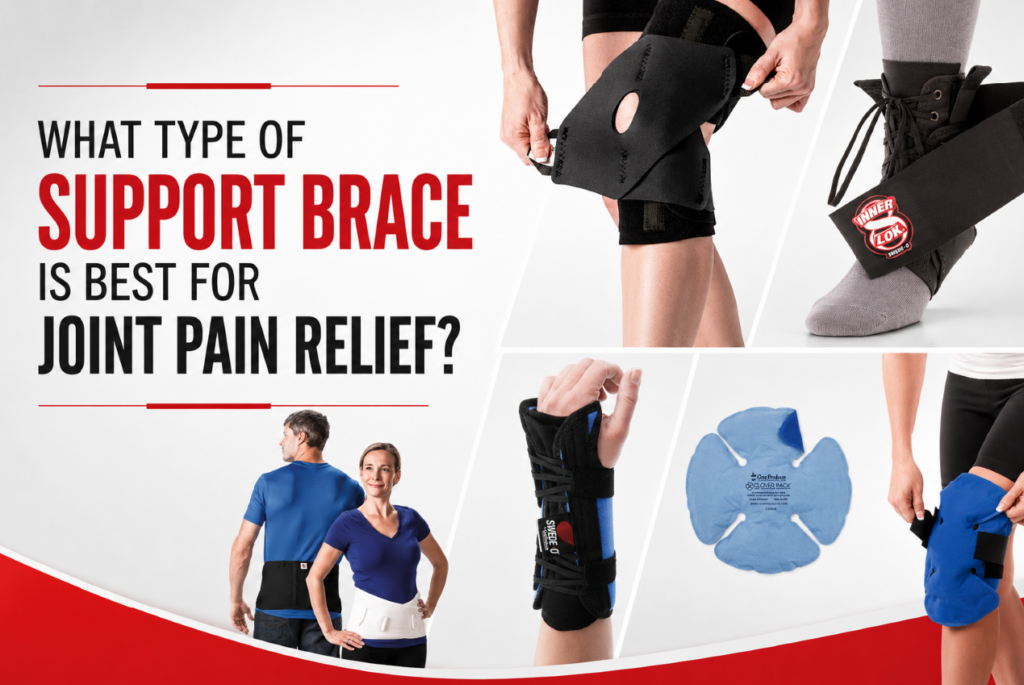
What Type of Support Brace Is Best for Joint Pain Relief?
When joint pain starts interfering with your daily routine, it’s not just uncomfortable; it’s frustrating. Whether you’re walking, typing, lifting, or even just resting, your joints play a role in almost everything you do. That’s why finding the right knee, ankle, or wrist support isn’t just about comfort; it’s about getting your life back on track.
Your body needs proper support to stay balanced and efficient. The wrong support can cause more strain, while the right one can improve mobility, reduce pain, and even prevent further damage.
Let’s break this down in a way that actually helps you choose the best option without the confusion or technical jargon.
Why Joint Support Braces Matter More Than You Think
Joint pain doesn’t always come from a major injury. Sometimes it’s the result of repetitive strain, poor posture, aging, or even lifestyle habits. And the tricky part? It often builds up slowly until one day you realize something doesn’t feel right.
Support braces work by stabilizing the joint and reducing unnecessary movement. Think of them like guardrails on a road; they don’t stop you from moving forward, but they keep you from veering off track.
For example, a well-fitted knee support brace can reduce pressure on your joints when walking or climbing stairs. Similarly, a wrist support can help align your hand during long hours of typing, preventing strain from building up.
But here’s the key: not every brace works for every situation. Choosing the right one depends on your condition, activity level, and comfort.
Understanding Different Types of Support Braces
Compression Braces: Simple Yet Effective
Compression braces are the most common type you’ll come across. They’re lightweight, flexible, and easy to wear under clothing. These braces apply gentle pressure, improving blood circulation and reducing swelling.
If you’re dealing with mild discomfort or early-stage joint pain, a compression ankle support or knee support sleeve can make a noticeable difference. It’s like wrapping your joint in a supportive hug firm enough to help, but soft enough to stay comfortable throughout the day.
However, they’re not designed for serious injuries. If your joint feels unstable, you’ll need something stronger.
Hinged Braces: Built for Stability
Hinged braces are designed for situations where stability is critical. They include rigid supports that guide movement and prevent harmful motion.
These are especially useful for knee injuries. A hinged knee support brace can help protect ligaments while allowing controlled movement. It’s like having a safety net that lets you move without fear of making things worse.
They can feel bulky, but when it comes to protection, they’re incredibly effective.
Strap Braces: Targeted Relief
Strap braces focus on specific problem areas. Instead of covering the entire joint, they apply pressure exactly where it’s needed.
For example, a patellar strap helps relieve tension on the kneecap, making it a popular choice for runners and athletes. It’s simple, lightweight, and surprisingly powerful for targeted pain relief.
Unloader Braces: Ideal for Chronic Conditions
Unloader braces are often recommended for people dealing with arthritis, particularly in the knees. They work by redistributing weight away from the damaged joint.
This can significantly reduce pain and improve mobility. Imagine carrying a heavy bag and suddenly shifting the weight to the other side; it feels instantly easier. That’s exactly what an unloader brace does.
Choosing the Right Brace for Your Needs
Know Your Pain Level
The first step in choosing the right brace is understanding your condition. Mild discomfort from daily activities usually responds well to compression braces. But if you’re dealing with instability or recovering from an injury, you’ll need something more supportive.
Ignoring this can lead to poor results. It’s like using the wrong tool for a job you might get by, but it won’t be effective.
Consider Your Lifestyle
Your daily routine matters more than you think.
Are you active?
Do you sit for long hours?
Do you play sports?
- Active individuals need flexible braces that allow movement.
- Office workers benefit from lightweight wrist support.
- Athletes often require stronger ankle support for stability.
The goal is to find a balance between comfort and protection.
Best Support Braces for Different Joints
Knee Support: The Foundation of Movement
Your knees handle a lot of stress every day. That’s why choosing the right knee support is so important.
For mild pain, compression sleeves work well. For injuries, hinged braces provide better protection. And for arthritis, unloader braces can significantly improve comfort.
A good knee brace doesn’t just reduce pain; it restores confidence in movement.
Ankle Support: Preventing Instability
Ankle injuries are common, especially among physically active people. A proper ankle support brace helps stabilize the joint and reduce the risk of sprains.
Lace-up or semi-rigid designs are popular because they provide both flexibility and protection. Without proper support, ankle injuries can easily recur.
Wrist Support: Essential for Modern Life
With so much time spent on computers and smartphones, wrist pain has become increasingly common. A good wrist support brace keeps your wrist in a neutral position, reducing strain on tendons and nerves.
It’s especially helpful for conditions like carpal tunnel syndrome or repetitive strain injuries. If your wrist feels sore after long hours of work, this type of support can make a huge difference.
Features to Look for in a Quality Support Brace
Not all braces are created equal. Here’s what you should look for:
- Breathable Material: Prevents sweating and irritation
- Proper Fit: Snug but not restrictive
- Adjustability: Allows customization for better support
- Durability: Ensures long-term use
Many people prefer products from the best chiropractic brands because they focus on alignment, comfort, and long-term health benefits.
Pros and Cons of Using Support Braces
Benefits
Support braces provide immediate relief, improve stability, and help prevent further injury. They’re easy to use and can significantly improve daily comfort.
Drawbacks
Over-reliance can weaken muscles over time. Some braces may also feel uncomfortable if not fitted correctly.
The key is to use them as a support tool, not a permanent crutch.
Comparison of Popular Support Braces
| Compression | Mild pain | Low | High | High |
| Hinged | Injuries | High | Medium | Medium |
| Strap | Targeted relief | Medium | High | High |
| Unloader | Arthritis | High | Medium | Medium |
Tips for Using Support Braces Effectively
Using a brace correctly makes all the difference. Make sure it fits properly; too tight can restrict blood flow, while too loose won’t provide enough support.
Wear it during activities that trigger pain rather than all day, unless advised otherwise. And don’t forget to combine it with strengthening exercises.
A brace supports your joint, but your muscles are what keep it strong in the long run.
Why Choosing the Right Brand Matters
When it comes to joint support, quality matters. The best brands for chiropractic products focus on ergonomic design and proper alignment.
They don’t just provide support; they help improve posture and reduce long-term strain. Investing in a trusted brand ensures you get both comfort and durability.
Conclusion
Finding the right support brace isn’t complicated; it just requires a bit of understanding. Whether it’s knee support for daily comfort, ankle support for stability, or wrist support for repetitive strain, the right choice can transform how you feel and move.
Just like a well-designed system keeps everything running smoothly, the right brace supports your body in all the right ways. And when you combine that with quality products from the best brands for chiropractic support, you’re setting yourself up for long-term relief and better mobility.
FAQs
1. How long should I wear a support brace daily?
It depends on your condition, but most braces are worn during activity rather than all day.
2. Can I exercise while wearing a brace?
Yes, many braces are designed specifically for physical activity and injury prevention.
3. Are support braces safe for long-term use?
They are safe when used properly, but overuse without exercise may weaken muscles.
4. How do I choose between knee, ankle, or wrist support?
Choose based on the joint causing pain and your daily activity level.
5. Do chiropractic brands offer better support braces?
Often yes, as they focus on alignment, posture, and long-term joint health.