
Share:
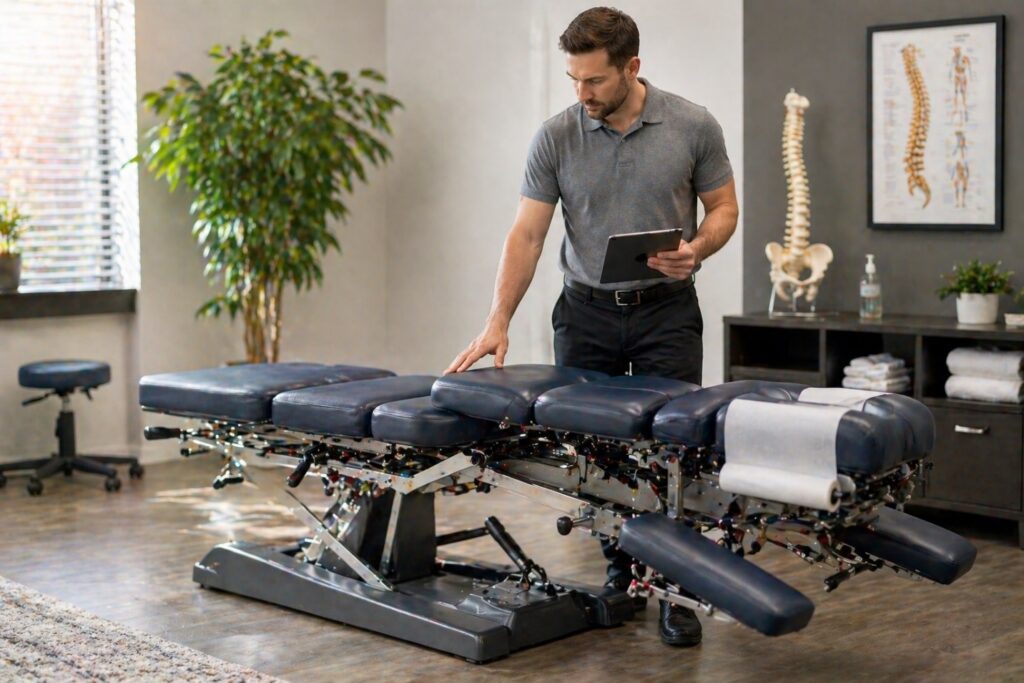
How Do You Choose the Right Chiropractic Table for Your Practice?
Choosing the right chiropractic table isn’t just another equipment decision; it’s one of the most important investments you’ll make for your clinic. Think about it: every patient interaction, every adjustment, and every outcome is influenced by the table you use. It’s like a chef choosing their knife or a driver picking their car; get it right, and everything feels smooth. Get it wrong, and you’ll feel the friction every single day.
So how do you actually choose the right one without getting overwhelmed by all the options? Let’s break it down in a way that’s practical, human, and easy to apply.
Why Your Chiropractic Table Matters More Than You Think
A chiropractic table is more than just a surface; it’s the foundation of every treatment you provide. It directly impacts patient comfort, your posture, and the effectiveness of each adjustment. If the table is unstable or poorly supported, it can disrupt your technique and reduce precision. From the patient’s perspective, it’s the first physical experience at your clinic. A poorly designed table can instantly create discomfort and doubt. In contrast, a well-built table with proper knee support and ergonomic padding helps patients relax, making treatments smoother. It also protects practitioners by reducing strain, fatigue, and long-term physical stress.
Understanding Different Types of Chiropractic Tables
Not all tables are built the same, and each type serves a different purpose. Knowing your options makes the selection process much easier.
Stationary Tables
These are the traditional workhorses of chiropractic clinics. They’re sturdy, reliable, and built to last. If your practice focuses on consistent, high-volume treatments, stationary tables are a dependable choice.
However, they lack height adjustability, so you’ll need to adjust your body position. Over time, that can lead to strain if you’re not careful.
Hi-Lo (Elevation) Tables
Hi-Lo tables are designed with ergonomics in mind. They allow you to adjust the height electronically, making it easier for both you and your patients.
Patients with mobility issues benefit greatly from these tables, as they can step onto them easily when lowered. For practitioners, it means less bending and more control. If comfort and efficiency are priorities, this type is hard to beat.
Flexion-Distraction Tables
These tables are specialized for spinal decompression and disc-related issues. They allow controlled movement, making them ideal for patients dealing with chronic pain or herniated discs.
If your clinic focuses heavily on rehabilitation or advanced spinal therapy, this type of table can significantly expand your treatment capabilities.
Portable Chiropractic Tables
If you’re working in multiple locations or attending events, portable tables are a practical option. They’re lightweight, foldable, and easy to transport.
While they may not offer the same stability or features as larger tables, they’re perfect for those who value flexibility and convenience.
Key Features You Should Never Ignore
When choosing a chiropractic table, certain features can make a huge difference in both performance and comfort.
1. Ergonomic Design and Support
A good table should support the body’s natural alignment. Features like built-in knee support help reduce joint pressure, especially during longer sessions. Patients who feel supported are more likely to relax, which improves treatment outcomes.
Similarly, wrist support is essential for certain positioning techniques. Without it, patients may feel discomfort or strain, which can interfere with adjustments.
2. Adjustability
Adjustability is a game-changer. Whether it’s height, headpiece angles, or drop sections, having control over positioning allows you to tailor treatments for each patient.
Electric adjustments are especially helpful because they save time and reduce physical effort.
3. Padding and Comfort
Comfort isn’t just a luxury; it’s a necessity. High-density foam padding prevents pressure points during treatment.
Look for tables with durable upholstery that’s easy to clean—hygiene matters, especially in a clinical setting.
4. Stability and Build Quality
A shaky table is a deal-breaker. Stability is crucial for delivering precise adjustments. A solid frame, usually made of steel or reinforced materials, ensures durability and safety.
5. Additional Features
Modern tables come with advanced features like:
- Drop sections for smoother adjustments
- Heating elements for added comfort
- Adjustable armrests and headrests
These extras can enhance both patient experience and practitioner efficiency.
Matching the Table to Your Practice Needs
Every chiropractic clinic is different, so your table should reflect your specific approach.
Your Techniques Matter
If you rely heavily on diversified techniques, a drop table might be essential. If you focus on rehabilitation, a flexion-distraction table could be more suitable.
The key is to choose a table that complements your style rather than forcing you to adapt your methods.
Consider Your Patients
Think about who you treat most often. Are they athletes, elderly individuals, or office workers?
For example:
- Elderly patients benefit from low-height tables.
- Athletes may require more robust support features.
- Long-session treatments need better knee support and cushioning.
When your table matches your patient demographic, everything runs more smoothly.
Budget vs Value: What Should You Prioritize?
Let’s be honest, budget plays a big role. Chiropractic tables can range from a few hundred dollars to tens of thousands of dollars.
But here’s the thing: cheaper isn’t always better.
A low-cost table might save money upfront, but it can lead to discomfort, maintenance issues, and even lost patients. On the other hand, investing in a high-quality table pays off in the long run through durability and better performance.
Instead of focusing only on price, think about value:
- Will it last for years?
- Does it improve efficiency?
- Does it enhance patient satisfaction?
If the answer is yes, it’s worth the investment.
Best Brands for Chiropractic Tables
Choosing from the best brands for chiropractic equipment ensures reliability and quality. Established manufacturers have years of experience and a reputation to maintain.
Some well-known brands focus on:
- Advanced ergonomic designs
- Durable construction
- Innovative features
While brand names can vary based on region and availability, it’s always a good idea to look for companies with strong reviews, warranties, and customer support.
Common Mistakes to Avoid
Even experienced practitioners can make mistakes when choosing a chiropractic table. Here are a few to watch out for:
- Buying based on price alone
- Ignoring ergonomic features like knee support and wrist support
- Choosing a table that doesn’t match your techniques
- Overlooking patient comfort
Avoiding these pitfalls can save you time, money, and frustration.
Final Checklist Before You Buy
Before making your final decision, ask yourself:
- Does the table support my treatment style?
- Is it comfortable for patients?
- Does it include essential features such as knee and wrist support?
- Is it built to last?
- Does it fit within my budget without compromising quality?
If you can confidently answer yes to all of these, you’re on the right track.
Conclusion
Choosing the right chiropractic table is one of those decisions that shapes your entire practice. It affects how your patients feel, how efficiently you work, and how your clinic is perceived.
There’s no one-size-fits-all solution. The best table for you depends on your techniques, your patients, and your long-term goals. By focusing on comfort, functionality, and quality, you can find a table that not only meets your needs but also elevates your practice as a whole.
Think of it as building a strong foundation; once it’s in place, everything else becomes easier.
FAQs
1. What is the most important feature in a chiropractic table?
Comfort and stability are the most important. Features such as knee support and proper padding significantly improve the patient experience.
2. Are expensive chiropractic tables worth it?
Yes, if they offer durability, advanced features, and better ergonomics. They often provide better long-term value.
3. Do I need a table with wrist support?
If your treatments involve specific positioning, wrist support can enhance patient comfort and improve the accuracy of your technique.
4. How long does a chiropractic table last?
A high-quality table can last 10–15 years or more with proper care.
5. Which are the best brands for chiropractic tables?
The best brands for chiropractic tables are those known for durability, ergonomic design, and strong customer support. Always check reviews and warranties before buying.